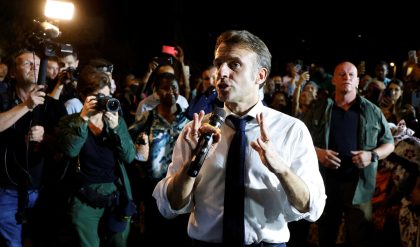
The political temperature in the Philippines continues to rise as two of the country’s most controversial and outspoken senators once again became the center of public attention. This time, the spotlight turned toward Senator Raffy Tulfo, who reportedly became visibly furious during a heated discussion, while Senator Robin Padilla appeared overwhelmed by mounting political pressure and nonstop public obligations. Across social media platforms, news channels, and online discussions, Filipinos are now asking the same question: what exactly is happening inside the Senate, and why does it feel like political tensions are reaching a boiling point?
For years now, Philippine politics has increasingly resembled a high-pressure television drama filled with emotional confrontations, public accusations, viral statements, and unpredictable alliances. But behind the entertainment value and the nonstop headlines lies something much deeper — a country struggling through political division, legal controversies, institutional distrust, and a rapidly changing public mood. The latest developments involving Tulfo and Robin have become symbolic of a much larger national atmosphere: confusion, frustration, and rising political anxiety.
Senator Raffy Tulfo has long built his reputation around confrontation. Before entering politics, he became famous through his media programs where he aggressively questioned alleged wrongdoers, government officials, abusive employers, scammers, and controversial personalities. Millions of Filipinos admired him because he projected an image of someone unafraid to speak directly and emotionally. Unlike traditional politicians who carefully measure every statement, Tulfo often speaks with visible anger and raw emotion. To supporters, that makes him authentic. To critics, it makes him dangerous and impulsive.
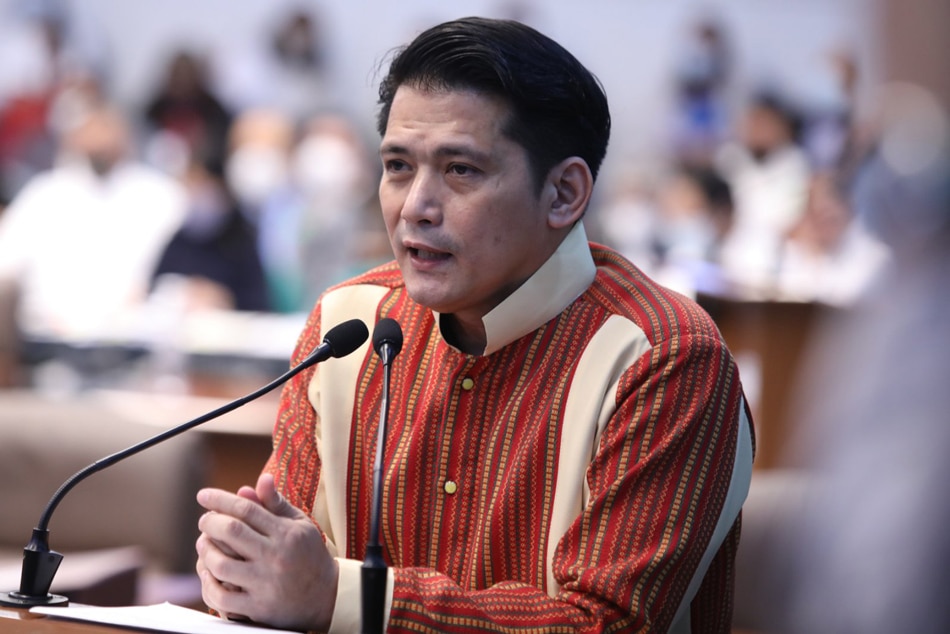
Recently, however, observers noticed that Tulfo’s public frustration appears to be growing more intense. Several Senate discussions reportedly became emotionally charged, especially when topics related to national security, corruption allegations, and government accountability were raised. Videos circulating online showed Tulfo speaking sharply during committee hearings and expressing disappointment over what he described as incompetence, dishonesty, and political gamesmanship.
Some supporters praised him once again for “telling the truth directly,” while others worried that the Senate itself is becoming increasingly chaotic and emotionally unstable. Political analysts pointed out that Tulfo’s popularity is deeply connected to public frustration. Many ordinary Filipinos feel exhausted by corruption scandals, economic difficulties, rising living costs, and endless political conflicts. When Tulfo raises his voice, many people see someone expressing emotions they themselves feel but cannot publicly say.
At the same time, Senator Robin Padilla appears to be dealing with enormous pressure from multiple directions. Robin, once known primarily as an action star and celebrity icon, entered politics carrying strong support from grassroots voters. His image as a straightforward, patriotic, and emotionally driven figure helped him become one of the most recognizable senators in the country. But fame inside entertainment is very different from life inside national politics.
Over the past several months, Robin has found himself constantly navigating explosive national controversies. From debates about constitutional reform to issues involving former President Rodrigo Duterte, the ICC investigations, Senate tensions, and political polarization, Robin has repeatedly found himself pulled into emotionally exhausting situations. Sources close to political observers describe him as “super busy,” not merely because of his official workload, but because of the nonstop political turbulence surrounding the current administration and opposition movements alike.
Arts & Entertainment
Unlike veteran politicians trained to carefully manage pressure, Robin often reacts emotionally and personally. That has made him highly relatable to supporters but vulnerable to criticism from opponents. During public appearances, Robin has repeatedly defended allies, answered difficult questions from media, and attempted to calm rising tensions among political camps. Yet many observers say the pressure visibly shows.
What makes the situation even more complicated is the growing atmosphere of mistrust inside Philippine politics. Every statement, every hearing, every viral clip instantly becomes fuel for social media warfare. One side accuses another of lying. Another side claims political persecution. Others insist the country is being destabilized from within. In this environment, even small disagreements can quickly explode into national controversies.
Tulfo’s recent emotional reactions reportedly emerged during discussions connected to sensitive national matters involving law enforcement operations, Senate security concerns, and allegations surrounding government agencies. Online commentators immediately split into opposing camps. Some argued Tulfo was justified because the public deserves transparency and accountability. Others accused him of grandstanding for media attention.
Meanwhile, Robin became increasingly active behind the scenes, reportedly attending meetings, consultations, and discussions involving multiple political factions. Political insiders claim that senators are under tremendous pressure to maintain stability as public trust continues fluctuating. Every major controversy now carries potential national consequences because emotions across the country remain extremely high.
The broader political environment in the Philippines helps explain why emotions are running so intensely. Over the past decade, the country has experienced one political earthquake after another. The Duterte administration dramatically reshaped political discourse through its controversial war on drugs, aggressive rhetoric, and anti-establishment image. Now, under President Ferdinand Marcos Jr., the nation is attempting to navigate a new political era while still dealing with unresolved controversies from the previous administration.
One of the biggest ongoing sources of political tension remains the International Criminal Court investigations connected to Duterte-era anti-drug operations. The issue continues dividing the nation deeply. Supporters argue Duterte and his allies simply enforced law and order against dangerous criminal networks. Critics insist thousands of deaths deserve full accountability under international law.
Senators, including Tulfo and Robin, are constantly being asked to position themselves regarding these explosive issues. Every answer risks alienating either supporters or critics. Every statement becomes headline material. Under such conditions, emotional outbursts become almost inevitable.
Another factor intensifying political stress is the enormous influence of social media in modern Philippine politics. In previous decades, political conflicts unfolded mainly through newspapers and television broadcasts. Today, every heated exchange inside the Senate can become viral within minutes. Clips are edited, reposted, analyzed, mocked, and weaponized online. Politicians are no longer judged only by policies or speeches; they are judged second by second through viral content.
Celebrities & Entertainment News
This environment places tremendous psychological pressure on public officials. A single emotional reaction can dominate headlines for days. A misunderstood phrase can trigger massive online backlash. Supporters and critics alike monitor every facial expression, every tone of voice, and every public appearance.
For Tulfo, this dynamic works both for and against him. His confrontational style thrives in viral culture because emotional moments spread rapidly online. But the same visibility also amplifies criticism whenever he appears too aggressive or overly emotional. Political opponents frequently accuse him of acting more like a broadcaster than a lawmaker.
Robin faces a different challenge. Because of his celebrity background, many people underestimate the complexity of his political responsibilities. Critics sometimes mock his communication style or question his expertise on complicated national issues. Yet supporters argue that Robin represents ordinary Filipinos more authentically than polished elite politicians disconnected from grassroots realities.
Observers note that Robin’s current workload appears unusually heavy partly because he frequently inserts himself into controversial discussions involving national identity, loyalty, sovereignty, and political unity. Whether defending allies or responding to criticism, he rarely stays silent during emotionally charged moments. That constant visibility may explain why many now describe him as “super busy.”
Behind the political spectacle, however, lies a serious national concern: the growing emotional instability of public discourse. Increasingly, political debates in the Philippines are driven not by calm policy analysis but by outrage, accusations, and personal loyalty battles. Public trust in institutions becomes harder to maintain when political conversations constantly resemble emotional warfare.
TV Shows & Programs
Some analysts warn that the Senate itself risks becoming overly theatrical. Hearings sometimes generate more attention for dramatic confrontations than for actual legislative outcomes. Viral moments dominate public memory more than policy details. This creates incentives for politicians to prioritize emotionally explosive statements rather than careful governance.
Yet others argue that emotional politics reflects real public frustration. Many Filipinos feel unheard by traditional institutions. They want leaders who speak passionately, visibly, and directly. Politicians like Tulfo and Robin succeed precisely because they appear emotionally connected to ordinary people’s anger and anxieties.
The challenge moving forward is whether Philippine democracy can balance emotional authenticity with institutional stability. Public outrage can energize reform movements, but nonstop confrontation can also deepen division and distrust. As tensions continue rising around legal controversies, ICC investigations, Senate disputes, and political rivalries, the country faces an increasingly delicate political environment.
For now, the images remain unforgettable: Tulfo visibly furious, Robin rushing between responsibilities, senators debating under immense pressure, and social media erupting with nonstop commentary. To supporters, these moments show leaders fighting passionately for what they believe. To critics, they reveal a political system dangerously consumed by spectacle and emotional conflict.
Regardless of political affiliation, one thing is undeniable: the Philippine political landscape has entered a period of extraordinary intensity. Every controversy now feels larger than life. Every statement carries national implications. Every emotional reaction becomes part of a wider political narrative.
Politics
As Filipinos continue watching these unfolding dramas, many are left wondering what comes next. Will tensions inside the Senate calm down? Will political leaders find common ground? Or will the emotional confrontations only grow more explosive as legal battles, investigations, and public distrust continue intensifying?
For Senator Tulfo, the pressure to remain the outspoken voice of frustrated citizens continues growing heavier. For Senator Robin, balancing loyalty, visibility, and political responsibility becomes increasingly exhausting. And for the country itself, the stakes extend far beyond viral headlines and dramatic Senate moments.
Because beneath every argument, every accusation, and every political outburst lies a much larger national question — what kind of political future does the Philippines truly want moving forward?
That question remains unanswered. But one thing is certain: the entire nation is watching closely, and the next political explosion may already be just around the corner.