
The political atmosphere in the Philippines has once again erupted into chaos, controversy, and speculation after explosive discussions involving Alan Peter Cayetano, Tito Sotto, and Senator Ronald dela Rosa — more popularly known across the country as “Bato.”
What began as a legal and procedural discussion surrounding the authority of government institutions has now transformed into a national political firestorm. Supporters of former President Rodrigo Duterte are furious. Opposition groups are demanding accountability. Political analysts are debating constitutional implications. Social media has exploded with accusations, conspiracy theories, and emotional reactions from every side of the political spectrum.
And right at the center of the controversy stands one burning question:
Did Cayetano indirectly open the door for the National Bureau of Investigation to arrest Senator Bato dela Rosa?
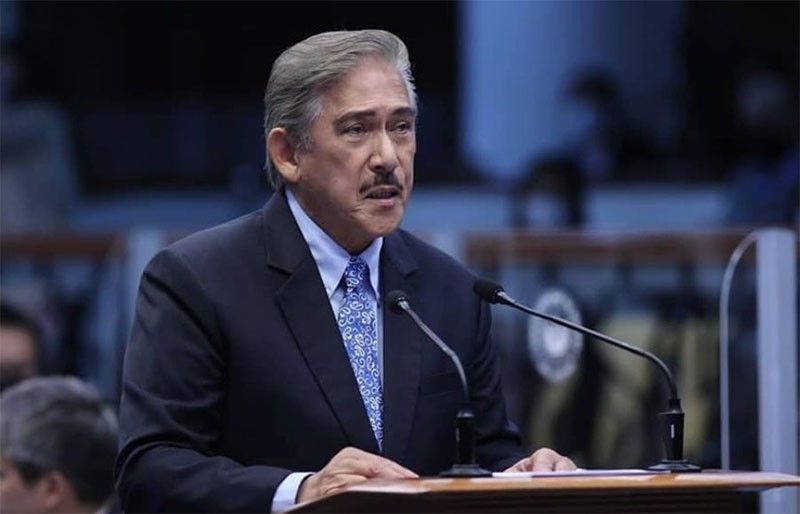
For many Filipinos, the issue goes far beyond politics. It touches loyalty, power, the rule of law, and the future of Duterte-aligned figures who remain influential in Philippine politics. Every statement now carries massive political weight. Every interview is dissected online. Every legal interpretation becomes ammunition in a much larger national battle.
And according to growing discussions among political observers, Tito Sotto himself reportedly appeared stunned by newly emerging details surrounding the issue.
The controversy has now evolved into one of the most talked-about political debates in the country.
How the Controversy Started
The issue intensified after renewed discussions emerged regarding the authority of Philippine law enforcement agencies and the legal consequences surrounding investigations connected to controversial anti-drug operations during the Duterte administration.
Senator Ronald “Bato” dela Rosa, who previously served as chief of the Philippine National Police during Duterte’s aggressive anti-drug campaign, has long been one of the most controversial political figures in the country.
To supporters, Bato symbolizes discipline, toughness, and loyalty to Duterte-era policies.
To critics, he represents one of the most aggressive faces of the controversial war on drugs that drew international criticism from human rights organizations and foreign institutions.
For years, speculation has circulated regarding possible legal exposure for officials connected to those operations.
But the political temperature exploded after remarks linked to Alan Peter Cayetano began circulating online and triggering heated reactions from both allies and critics.
Some interpreted Cayetano’s position as indirectly acknowledging legal pathways that could permit government investigative agencies — including the NBI — to take action if sufficient legal grounds existed.
That interpretation sent shockwaves through Duterte-aligned political circles.
Why the Name “Bato” Carries Massive Political Weight
To understand why this controversy matters so deeply, it is important to understand who Bato dela Rosa is politically.
Politics
Ronald dela Rosa is not just another senator.
He is one of the most recognizable and emotionally polarizing figures associated with the Duterte political movement. His image became nationally famous during the anti-drug campaign, where he projected an aggressive and uncompromising public persona.
For Duterte supporters, Bato represents loyalty and strength.
For opponents, he symbolizes the harshest aspects of Duterte-era law enforcement policies.
That is why even rumors or discussions involving possible investigations or arrest scenarios immediately trigger massive public reactions.
This is no ordinary legal issue.
This is political dynamite.
The Cayetano Angle That Sparked Debate
The involvement of Alan Peter Cayetano surprised many observers because of his long political association with Duterte.
Cayetano once stood among Duterte’s closest allies. He served in major government positions and was considered part of the inner political circle during the administration.
That history is exactly why reactions became so intense.
When political allies appear to shift positions — even slightly — people notice immediately.
Critics of Duterte interpreted Cayetano’s remarks as a sign that cracks may be emerging within the broader Duterte-aligned political coalition.
Supporters, meanwhile, accused commentators of twisting legal discussions into political betrayal narratives.
The debate quickly escalated beyond legal interpretation and became emotional.
Questions exploded online:
- Was Cayetano simply discussing constitutional procedure?
- Was he distancing himself politically?
- Was he signaling support for legal accountability?
- Or was the controversy being exaggerated for political drama?
Because emotions were already high, every interpretation spread rapidly across social media platforms.
Tito Sotto’s Alleged Reaction Added Fuel to the Fire
The controversy intensified even more when discussions emerged suggesting that Tito Sotto was reportedly surprised by newly surfaced interpretations and political implications surrounding the issue.
Politics
While exact details became heavily debated online, many political commentators claimed Sotto appeared caught off guard by how rapidly the issue escalated.
That reaction mattered because Tito Sotto has long been viewed as one of the country’s most experienced political figures. His opinions carry weight among both traditional politicians and ordinary Filipino voters.
When veteran political figures appear surprised or concerned, the public tends to pay attention.
Suddenly, what may have initially sounded like ordinary legal debate transformed into a national political spectacle.
News clips circulated rapidly.
Commentary channels exploded with theories.
Supporters and critics flooded social media with emotional reactions.
And once again, Philippine politics entered full drama mode.
The Legal Question at the Heart of the Controversy
Beneath all the political noise lies a serious legal question:
Can Philippine authorities legally investigate or arrest high-ranking officials connected to controversial government operations if evidence or legal grounds exist?
Legally speaking, the answer depends on multiple factors:
- Existing Philippine laws
- Constitutional protections
- Jurisdiction of investigative agencies
- Court-issued warrants
- Ongoing legal proceedings
- Cooperation between institutions
The NBI itself operates as a major investigative agency under the Philippine government. Its role includes handling sensitive national investigations, corruption cases, organized crime matters, and other major legal concerns.
However, public confusion often emerges because investigations involving politicians quickly become politically charged.
Supporters frequently frame investigations as persecution.
Critics frame them as accountability.
That tension is exactly what makes these situations explosive.
And because Bato remains deeply associated with Duterte’s anti-drug campaign, emotions become even more intense.
Duterte’s Shadow Still Dominates Philippine Politics
Even after leaving office, Rodrigo Duterte continues to cast an enormous shadow over Philippine politics.
His supporters remain fiercely loyal.
His critics remain deeply opposed.
Every issue connected to his administration still triggers national division almost instantly.
That explains why any discussion involving Duterte allies becomes headline news.
The political camps remain highly emotional and deeply entrenched.
To Duterte supporters, legal scrutiny against former allies often feels politically motivated.
To opponents, accountability remains necessary and overdue.
This divide creates an environment where even legal procedures are interpreted through political lenses.
Politics
And because Bato dela Rosa remains one of Duterte’s closest allies, controversies involving him immediately become symbolic battles over Duterte’s legacy itself.
Social Media Turned the Issue Into a National Firestorm
One major reason this controversy exploded so quickly is the role of social media in Philippine political culture.
In today’s political environment, viral headlines spread faster than detailed legal explanations.
Short clips dominate attention.
Emotional reactions spread instantly.
Political hashtags trend within minutes.
And nuance often disappears completely.
As soon as online personalities and political commentators began framing the issue dramatically — especially with emotionally charged questions like “Pinayagan ba ni Cayetano arestuhin si Bato?” — public interest skyrocketed.
People immediately chose sides.
Some accused Cayetano of betrayal.
Others argued he was merely respecting legal processes.
Some defended Bato passionately.
Others insisted no politician should be above investigation.
The result became a perfect storm of outrage, speculation, and political theater.
Why This Issue Is Bigger Than One Politician
Although the headlines focus heavily on Bato, the deeper issue is actually about power and accountability in Philippine democracy.
The controversy forces larger national questions into public discussion:
- How far should political loyalty go?
- Can allies criticize or question each other legally?
- Should former officials face investigations connected to government operations?
- How independent should investigative agencies remain?
- Can politics and justice truly remain separate?
These are difficult questions with no easy answers.
And because emotions surrounding Duterte remain so strong, objective discussion becomes extremely difficult.
Every legal interpretation immediately becomes political ammunition.
Every statement gets weaponized online.
Every interview becomes controversial.
That is exactly why this issue continues dominating conversations nationwide.
The Emotional Divide Among Filipinos
Perhaps the most striking aspect of this controversy is how emotionally invested ordinary Filipinos remain.
For some citizens, Bato is viewed as a patriot who fought crime aggressively during dangerous times.
For others, he represents policies they believe caused serious human rights concerns.
Those emotional perspectives shape how people interpret every headline.
If someone already supports Duterte-era policies, they are more likely to view investigations suspiciously.
If someone opposes those policies, they may strongly support legal accountability.
This emotional divide makes balanced conversation extremely difficult.
Instead of calm legal analysis, public debate often becomes emotionally explosive.
And politicians know this.
That is why even carefully worded statements can suddenly trigger national controversies.
Could This Affect Future Elections?
Political analysts are already debating whether controversies like this could influence future elections in the Philippines.
Politics
The Duterte political network remains highly influential.
Any perceived attacks against Duterte allies could energize supporters politically.
At the same time, accountability issues continue motivating opposition voters.
That means controversies involving figures like Bato dela Rosa are never isolated incidents politically.
They influence public narratives.
They shape voter emotions.
They affect alliance dynamics.
And they may impact how future candidates position themselves publicly.
For politicians connected to Duterte-era leadership, every statement now carries strategic consequences.
The Importance of Public Perception
In modern politics, perception often becomes as powerful as legal reality.
Even if no immediate arrest occurs, even if no charges are filed, the public conversation itself matters enormously.
Why?
Because repeated headlines shape public consciousness.
People remember controversy.
People remember emotional narratives.
People remember viral moments.
And in political warfare, controlling the narrative is often just as important as controlling legal outcomes.
That is why allies react strongly when sensitive discussions emerge publicly.
Once doubt enters public conversation, political damage can spread rapidly.
What Happens Next?
At this stage, political observers are closely watching several possible developments:
- Further public statements from Cayetano
- Reactions from Bato dela Rosa
- Clarifications from legal experts
- Statements from Duterte allies
- Potential comments from investigative agencies
- Media coverage shaping public opinion
The situation remains fluid.
And because Philippine politics moves extremely quickly, new developments could emerge at any moment.
One interview.
One viral clip.
One legal filing.
Any of these could completely reshape the conversation again.
Why Filipinos Remain Deeply Invested
This controversy reflects something larger about Philippine politics itself.
Politics
Filipinos are intensely passionate about leadership, loyalty, justice, and national identity. Political debates often become deeply emotional because they are connected to personal beliefs about security, fairness, and patriotism.
That passion explains why controversies like this dominate public attention so quickly.
People are not simply discussing legal procedure.
They are debating the future direction of the country.
They are debating political loyalty.
They are debating accountability.
And because Duterte-era politics transformed the national landscape so dramatically, every issue connected to that period still feels unfinished emotionally for many citizens.
The Political Earthquake Is Far From Over
Whether the controversy eventually fades or grows larger, one thing is already clear:
The political earthquake triggered by these discussions is far from over.
The combination of Duterte-era tensions, legal uncertainty, social media outrage, and powerful personalities guarantees continued national attention.
And at the center of it all remains one explosive question that continues echoing across Philippine politics:
Did Cayetano indirectly open the door for authorities to move against Bato dela Rosa?
For now, the answer remains fiercely debated.
But one thing is undeniable:
The controversy has once again exposed just how deeply divided, emotional, and unpredictable Philippine politics has become.